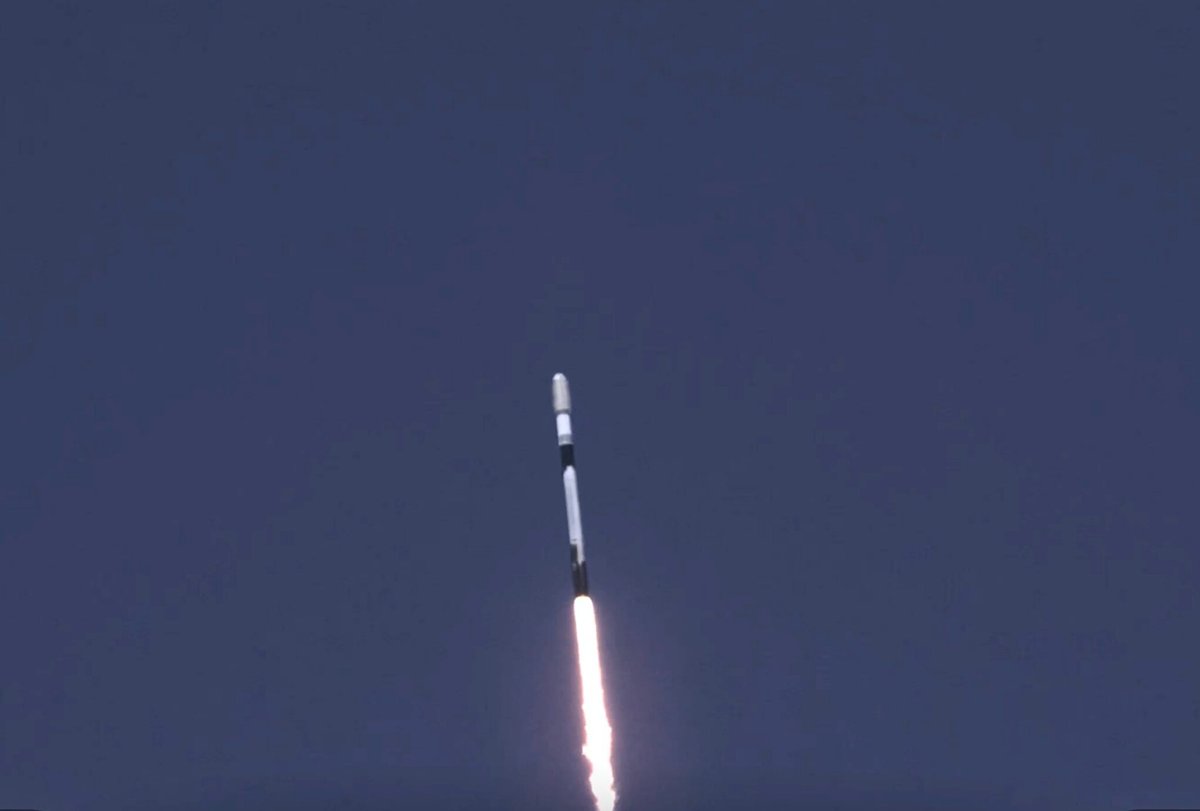
Google launched the first satellite for its Project Suncatcher program on October 1, lifting off aboard a SpaceX Falcon 9 at around 2:32 p.m. EDT, according to Scientific American. The refrigerator-sized prototype, built in partnership with satellite imagery company Planet Labs, carries four of Google's Tensor Processing Units (TPUs) and about 1 kilowatt of solar power, as NPR/OPB reported.
The mission's goal is narrow: see whether Google's AI chips can survive the physical stress of launch along with the radiation and thermal extremes of orbit, and test a new cooling system designed to shed heat without airflow. Because of those thermal limits, the TPUs will run in bursts of about 15 minutes at a time. Google said it plans to keep the satellite operational for about a year.
Travis Beals, the senior director leading Project Suncatcher, said the team had made contact with the spacecraft after launch: "Our team has confirmed contact with the satellite and it is operating as expected."
Google has previously tested chip resilience to simulated solar radiation and cosmic rays at a proton beam facility at UC Davis, finding the TPUs could handle more ionizing radiation than expected over five years in space, Scientific American reported. The company plans to launch two additional experimental satellites in 2027 to test laser communication links between satellites, a step toward its longer-term vision of clusters of solar-powered satellites working together as an orbital data center. Other companies, including OpenAI and xAI, are also exploring orbital data center concepts, according to the report.
Space-based data centers still face major engineering and cost hurdles, and Beals has said he doesn't expect them to be cheaper than Earth-based facilities within five years, Scientific American noted.